
The floor plan comes first
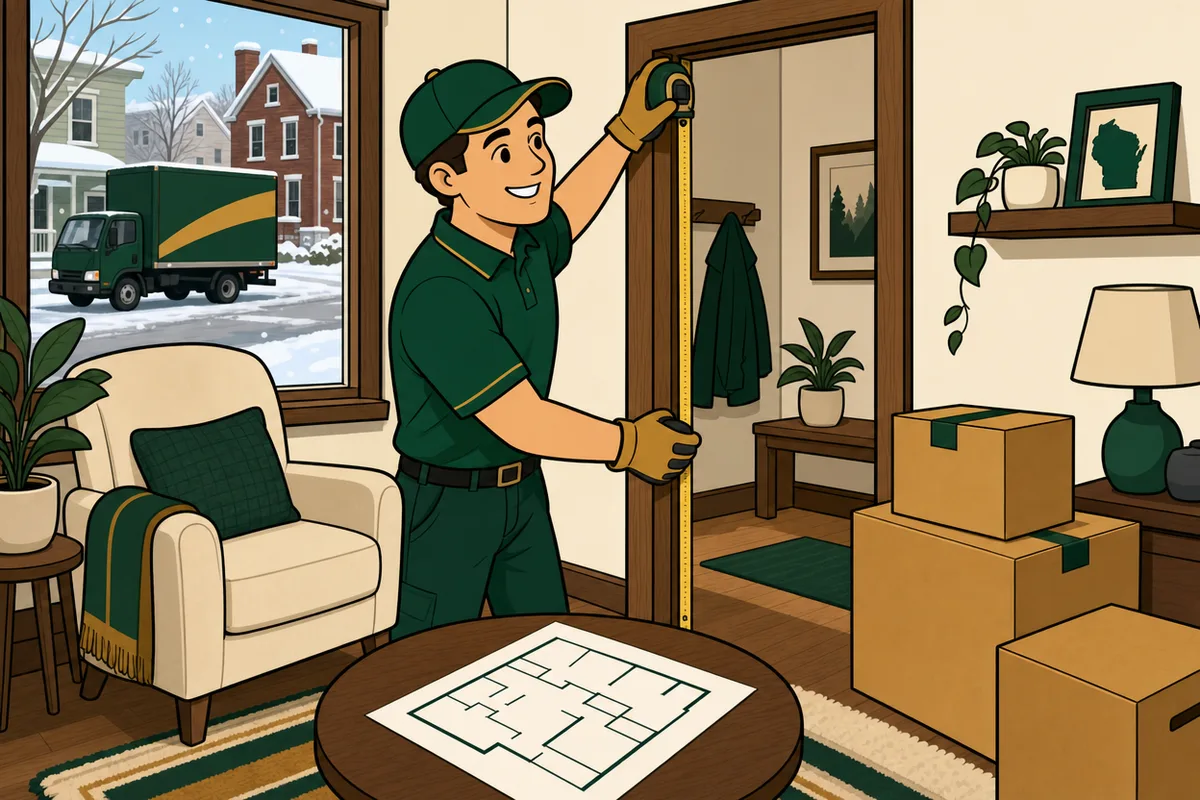
The hardest part of downsizing is not the lift; it’s the choice. Get the floor plan for the apartment first, or walk it with a tape measure. Write down every room, all closets, the kitchen cabinet widths, and the tightest doorway. Compare that list to the furniture you own, piece by piece. The measurements decide most sorting questions before you touch a box.
Work room by room
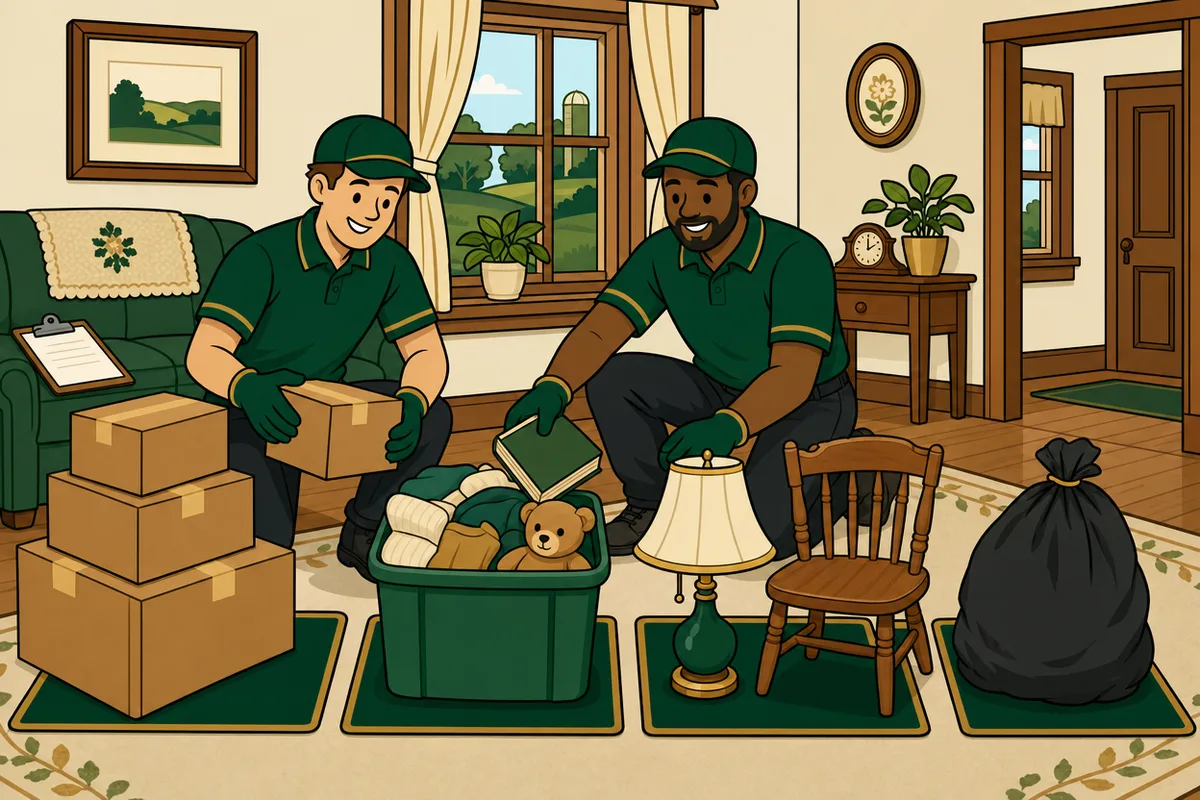
Sort each room one at a time. For every item, make one of four piles: it moves with you, it goes to family, it gets sold or donated, or it gets thrown out. A kitchen chair with a split seat can go to the donation pile; a stack of family photo albums goes in the keep box. Do not keep a maybe pile, because the move date will not wait.
- Kitchen cabinets and shelves in an apartment are often shallower than the cupboards you have now. Measure the depth and height of each new cabinet, then stack the dishes, pots, and pantry items you use in an average week. Keep only what you use weekly; set aside the rest.
- For bedrooms and the living room, match each bed, sofa, table, and dresser to the new floor plan and the doorway widths. A queen bed plus one dresser per bedroom usually works; if a bedroom is short on wall space, try a platform bed or a narrow armoire instead.
- Sort the garage, basement and shed first. Those areas hold the most undecided items, so sort tools and small hardware into labeled bins as you go. A shelf of paint cans and half-used caulk tubes gets a decision date; the workbench gets a bin for drill bits. Tackle one shelf or one workbench at a time, and finish each section completely before moving on.
The family furniture conversation
A china cabinet from your grandparents rarely gets a clean yes or no from the whole family. Write down what each piece is, its size, its condition, and who might want it. Let relatives measure it against their own rooms, and send photos to anyone out of town. Set a deadline a few weeks before the move for family to claim pieces.
More than one destination
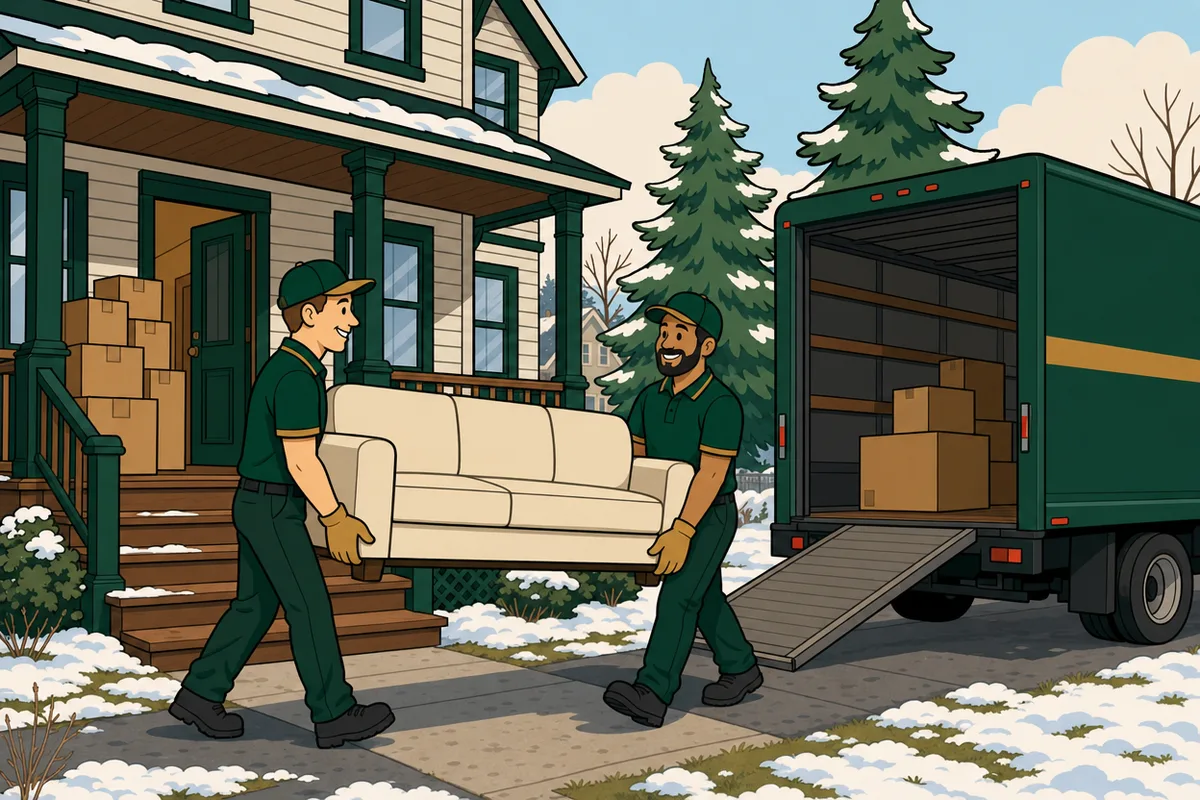
A downsizing move rarely ends at one door. Some furniture goes to your apartment, a few boxes to a relative’s garage across town, and a donation load to a local center. On a typical split move we plan for three or four stops on one route, so the truck does not backtrack across Wood County.
Moving day
Label every box and piece by its destination room, and keep items for the garage or donation stop separate from apartment items. If the building has stairs, a small elevator, or narrow hallways, tell us before the move. We will measure the elevator’s interior and the stairwell width, then plan the loading order so each load lands at the right door.
Our apartment moving page tells you what to have ready at the new building, and our residential moving page covers the full-house side of a downsizing move.